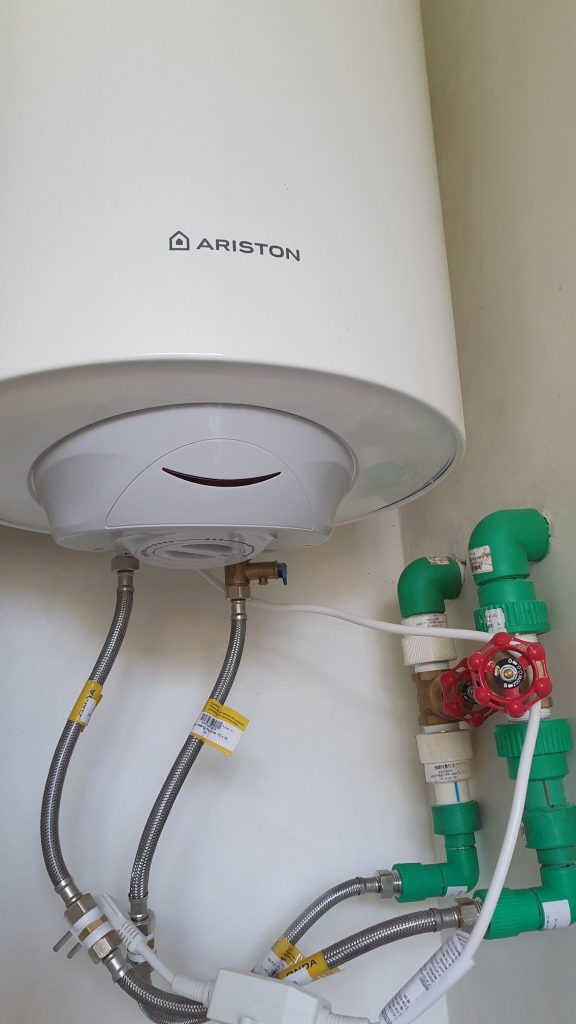
When you need geyser repairs in Centurion, the problem should be checked quickly because geyser faults can affect hot water supply, electricity use, water pressure, and property safety. Whether your geyser is not heating, your hot water runs out too quickly, your geyser is leaking, or the unit keeps tripping the electricity, Centurion Appliance Repairs can help you arrange practical geyser repair support in your area.
We assist with common geyser problems affecting heating elements, thermostats, pressure valves, electrical connections, leaks, overflow issues, temperature control, and hot water performance. Our focus is on proper fault checking, clear repair advice, and helping you decide whether the geyser can be repaired or whether replacement may be the safer long-term option.
Call 079 976 2941 to request geyser repairs in Centurion or use the booking form to send your geyser fault details.
A geyser is one of the most important systems in a home, rental property, guesthouse, office, or small business. When it fails, daily routines can be affected immediately. No hot water, leaking water, electrical tripping, strange noises, or inconsistent heating can point to faults that should not be ignored.
We assist with geyser repair requests involving:
Electric geysers
Domestic geysers
Selected commercial hot water systems
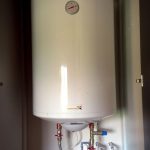
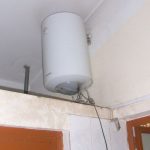
Wall-mounted and ceiling-installed geysers
Geysers in homes, apartments, townhouses, estates, offices, guesthouses, and managed properties
Thermostat and element faults
Valve and pressure-related problems
Electrical and heating issues
Leaking geyser inspections
If your geyser is leaking badly, tripping power repeatedly, or showing signs of electrical danger, stop using it where safe and request help as soon as possible.
Geyser faults can happen suddenly or develop slowly over time. Some are simple component failures, while others may involve pressure problems, corrosion, incorrect settings, plumbing issues, or electrical faults.
Common geyser problems include:
Geyser not heating water
No hot water at all
Water not getting hot enough
Hot water running out too quickly
Geyser tripping electricity
Water leaking from the geyser
Overflow pipe dripping continuously
Geyser making banging, hissing, or rumbling noises
Thermostat problems
Faulty heating element
Pressure valve issues
Rusty or discoloured hot water
Hot water pressure problems
Geyser switching on and off irregularly
Steam or excessive heat from the overflow
Water damage around the geyser area
A geyser fault should be checked properly before replacing parts, because similar symptoms can be caused by different issues.
One of the most common reasons people request geyser repairs in Centurion is no hot water. If the water stays cold, the fault may be electrical, mechanical, or component-related.
Possible causes include:
Faulty heating element
Faulty thermostat
Tripped circuit breaker
Damaged wiring or electrical connection
Isolator switch issue
Incorrect thermostat setting
Power supply problem
Safety cut-out activation
Age-related component failure
If your geyser is not heating, avoid repeatedly resetting the power without understanding the cause. Repeated tripping may indicate an electrical fault that needs proper inspection.
A geyser that trips the electricity should be treated carefully. It may be caused by a faulty element, damaged thermostat, water entering electrical components, wiring problems, earthing faults, or internal deterioration.
Common signs linked to geyser electrical faults include:
Power trips when the geyser switches on
The geyser circuit breaker will not stay up
Hot water works briefly, then power trips
Burning smell near the geyser isolator or board
Geyser stops heating after load shedding or power restoration
Repeated element or thermostat failure
Do not continue forcing the breaker back on if the geyser keeps tripping. The fault should be inspected to reduce safety risks.
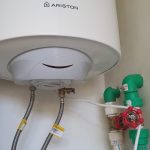
A leaking geyser can cause ceiling damage, wall damage, electrical risks, mould, water wastage, and expensive property repairs if ignored. Some leaks come from replaceable valves or fittings, while others may mean the geyser cylinder itself has failed.
Possible causes of geyser leaks include:
Faulty pressure control valve
Faulty temperature and pressure valve
Loose fittings
Corroded pipes
Damaged drip tray or overflow setup
Leaking flange gasket
Rusted geyser tank
Excessive internal pressure
Old or deteriorated components
If water is leaking near electrical points, switch off the power to the geyser where safe and arrange help urgently. A leaking cylinder may not be repairable and may need replacement.
A dripping overflow pipe can be normal in small amounts during heating, but continuous dripping may point to a valve, pressure, or thermostat problem. It should be checked if the dripping becomes heavy, constant, or causes water wastage.
Possible causes include:
Faulty pressure valve
Excessive water pressure
Overheating
Thermostat set too high
Expansion during heating
Valve wear or dirt build-up
Incorrect installation setup
Continuous dripping should not be ignored because it may increase water bills and indicate a bigger pressure or temperature control issue.
The thermostat controls water temperature. If it fails, the geyser may stop heating, overheat, heat inconsistently, or trip electricity.
Signs of thermostat problems include:
Water stays cold
Water becomes too hot
Hot water temperature changes unexpectedly
Geyser switches on and off irregularly
Safety cut-out keeps activating
Geyser trips power
Water is warm but not hot enough
A thermostat should be tested before replacement because heating problems can also be caused by the element, electrical supply, wiring, or safety controls.
The heating element is responsible for warming the water inside the geyser. Over time, elements can fail because of age, mineral build-up, electrical faults, or pressure-related stress.
Signs of a faulty geyser element include:
No hot water
Water takes too long to heat
Geyser trips electricity
Hot water runs out quickly
Unusual noises during heating
Element failure after power surges or repeated tripping
If the element is faulty, it may need replacement after testing confirms the issue.
Low hot water pressure may not always mean the geyser itself is faulty. The cause may involve valves, pipes, pressure control, sediment build-up, plumbing restrictions, or installation issues.
Possible causes include:
Partially closed valve
Pressure control valve fault
Blocked pipe or fitting
Sediment build-up
Mixer tap issue
Incorrect pressure setup
Faulty non-return valve
General plumbing restriction
When booking, explain whether the low pressure affects all hot water taps or only one tap. This helps narrow down the likely cause.
Rusty or discoloured hot water can be caused by old pipes, corrosion inside the geyser, sediment, or water quality issues. If the issue happens only on the hot water side, the geyser system may need inspection.
Possible causes include:
Internal corrosion
Old pipework
Sediment inside the geyser
Rust from fittings
Ageing geyser cylinder
Water supply issues
If the geyser is old and the water is rusty, replacement may sometimes be safer than repeated repairs.
We assist different customers across Centurion with geyser repair needs. Hot water problems can affect homes, rental units, guest accommodation, offices, staff kitchens, salons, restaurants, and small businesses.
We assist:
Homeowners
Tenants
Landlords
Property managers
Body corporates
Estate managers
Guesthouses
Offices
Restaurants and cafés
Salons and small businesses
Managed rental properties
For rental or managed properties, provide access details and confirm who will approve the repair after the fault has been assessed.
When you contact us, provide your Centurion suburb, geyser type if known, the fault symptoms, and whether the issue involves no hot water, leaking, tripping electricity, low pressure, or unusual noises.
The geyser is checked to understand the likely cause of the problem. Geyser faults may involve electrical, plumbing, pressure, valve, thermostat, element, or cylinder-related issues.
Once the fault has been assessed, the repair option and estimated cost can be explained. If the geyser is badly leaking, rusted, unsafe, or too old, replacement may be discussed as a more practical option.
If the repair is practical and approved, the necessary work is carried out where possible. Some repairs may involve replacement of components such as thermostats, elements, valves, fittings, or seals.
After repair, the geyser should be tested for heating, leaks, pressure behaviour, and electrical safety where relevant. You may also receive basic advice on what to monitor after the repair.
The cost of geyser repairs in Centurion depends on the fault, geyser type, parts required, labour time, access to the unit, and whether the issue is electrical, plumbing-related, pressure-related, or leak-related.
Pricing may be affected by:
Type and size of geyser
Location and access to the geyser
Whether the fault involves the thermostat or element
Whether valves or fittings need replacement
Whether there is active leaking
Whether the geyser is ceiling-mounted, wall-mounted, or difficult to access
Whether there is water damage or electrical risk
Age and condition of the geyser
Whether replacement is more practical than repair
A minor component replacement may cost less than repairing leaks, replacing multiple parts, or dealing with a badly corroded geyser. Accurate pricing requires fault assessment.
Repair may be worthwhile when the geyser is still in good condition and the problem is limited to a replaceable part, such as a thermostat, element, valve, gasket, or fitting. Replacement may be better when the cylinder is leaking, badly rusted, unsafe, very old, or repeatedly failing.
Repair may make sense when:
The geyser tank is not leaking
The problem is limited to a thermostat, element, valve, or fitting
The geyser is still in reasonable condition
The repair cost is much lower than replacement
The hot water system has been reliable before the fault
Replacement may be better when:
The geyser cylinder is leaking
The geyser is badly rusted
The same faults keep returning
There are repeated electrical or pressure problems
The geyser is very old and inefficient
Repair costs are close to replacement
The unit is unsafe or causing property damage
A proper inspection can help you decide whether repair is the sensible option.
If your geyser is faulty, take basic safety precautions before repair assistance arrives.
Switch off the geyser power if it is tripping, leaking near electrics, overheating, or making electrical smells
Avoid touching wet electrical areas
Do not keep resetting a tripping breaker
If the geyser is leaking badly, close the water supply where safe
Keep children and pets away from leaking or damaged areas
Avoid using hot water if the water is rusty, too hot, or unsafe
Take photos of the fault area if this helps with booking
Call for assistance if the ceiling is wet or water is spreading
Never attempt electrical geyser repairs yourself unless you are qualified to do so.
We provide geyser repair support across Centurion and nearby areas, including Centurion Central, Lyttelton, Die Hoewes, Doringkloof, Clubview, Zwartkop, Hennopspark, Wierda Park, Eldoraigne, Rooihuiskraal, The Reeds, Amberfield, Heuweloord, Raslouw, Valhalla, Pierre van Ryneveld, Highveld, Eco Park, Irene, Southdowns, Midstream Estate, Heritage Hill, Monavoni, Celtisdal, Mnandi, Sunderland Ridge, Samrand, Louwlardia, Thatchfield, Blue Valley Golf Estate, and surrounding neighbourhoods.
If your suburb is not listed, call 079 976 2941 to confirm availability.
Geyser faults need careful handling because they may involve hot water, electricity, water pressure, leaks, and possible property damage. Our service focuses on proper fault checking, clear advice, and practical repair guidance before unnecessary work is done.
Customers contact us for:
Help with no hot water, leaking geysers, tripping power, and pressure issues
Fault checking before repair work continues
Practical repair-versus-replacement advice
Support for homes, rentals, offices, guesthouses, and small businesses
Clear communication about the fault and repair option
Local geyser repair support across Centurion
Easy booking by phone or online form
If your geyser is not heating, leaking, tripping the power, or causing hot water problems, call 079 976 2941 to request geyser repairs in Centurion. You can also use the booking form to send your repair details.
When booking, please provide:
Your Centurion suburb
Type of geyser if known
Main fault symptoms
Whether there is leaking
Whether the geyser is tripping electricity
Whether you have no hot water or only warm water
How long the issue has been happening
Whether the property is a home, rental, office, guesthouse, or business
Any access details for ceiling-mounted or difficult-to-reach geysers
The more information you provide, the easier it is to understand the fault and guide you on the next step.
Yes. We assist with geyser faults such as no hot water, leaking, tripping electricity, faulty thermostats, faulty elements, pressure problems, overflow pipe dripping, and inconsistent heating.
A geyser may stop heating because of a faulty element, thermostat problem, tripped breaker, wiring issue, isolator fault, power supply problem, or safety cut-out activation. The unit should be inspected before parts are replaced.
Switch off the geyser power where safe, avoid wet electrical areas, and close the water supply if the leak is serious and you know how to do so safely. Then call for repair assistance. A leaking cylinder may require replacement.
Repeated tripping may be caused by a faulty element, damaged thermostat, wiring issue, water contact with electrical parts, moisture, or an internal short. Do not keep resetting the breaker without having the geyser checked.
It depends on where the leak is coming from. Valve, gasket, fitting, or pipe leaks may be repairable. If the geyser tank or cylinder itself is leaking due to corrosion or damage, replacement is usually the safer option.
The cost depends on the fault, geyser size, parts required, access, labour time, and whether the issue is electrical, plumbing-related, pressure-related, or leak-related. A proper inspection is needed before an accurate quotation can be given.
Repair may be suitable if the geyser tank is still in good condition and the fault is limited to a part such as a thermostat, element, valve, or fitting. Replacement may be better if the cylinder is leaking, badly rusted, unsafe, or repeatedly failing.
Some dripping can happen during heating, but constant dripping may indicate a pressure valve issue, overheating, high water pressure, thermostat problem, or valve wear. It should be checked if the dripping is heavy or continuous.
Yes. We assist homeowners, tenants, landlords, estate managers, body corporates, and property managers with geyser repair requests in Centurion. Access details and repair approval arrangements should be provided when booking.
Call 079 976 2941 or use the booking form on the website. Share your suburb, geyser fault, whether there is leaking or tripping, and any access details for the geyser location.

Centurion Appliance Repairs is your trusted local expert for fast and reliable appliance repairs in Centurion. With over 12 years of experience and 35 mobile technicians across areas like Die Hoewes, Highveld, Eldoraigne, and Midstream Estate, we provide same-day service for both residential and commercial clients. From fridge repairs and washing machine repairs to commercial refrigeration and cold room services, we deliver professional solutions using genuine parts for long-lasting results.