✔ 15+ Years Experience
✔ Certified & Gas-Registered Technicians
✔ Fast Local Response
✔ 6-Month Guarantee
✔Same-Day Onsite Repairs
✔No Call out Fee if Quote Accepted
BOOK ONLINE NOW!!
When you need gas geyser repairs in Centurion, the fault should be handled quickly and carefully. A gas geyser that is not igniting, switching off during use, not heating water properly, showing error codes, or producing an unusual gas smell can affect your hot water supply and may create safety concerns if ignored. Centurion Appliance Repairs can help you arrange practical gas geyser repair support across Centurion.
We assist with common gas geyser faults involving ignition, water flow, gas flow, burner performance, temperature control, sensors, batteries, ventilation concerns, and general hot water performance. Our focus is on checking the fault properly, explaining the likely cause, and helping you decide whether repair, servicing, or replacement is the safer and more practical option.
Call 079 976 2941 to request gas geyser repairs in Centurion or use the booking form to send your fault details.
Gas Geyser Repair Services in Centurion
Gas geysers are useful for homes, flats, cottages, guesthouses, rental units, staff accommodation, offices, salons, restaurants, and small businesses that need hot water without relying only on a standard electric geyser. However, because these appliances involve gas, water flow, ignition, heat, and ventilation, faults should not be ignored or handled through guesswork.
We assist with gas geyser repair requests involving:
Gas geyser not igniting
No hot water from the gas geyser
Water not getting hot enough
Gas geyser switching off during use
Pilot light or ignition problems
Low hot water pressure
Temperature fluctuating during use
Error codes on the display
Battery ignition issues
Burner problems
Gas flow concerns
Water flow sensor problems
Gas smell near the unit
Poor flame quality
Unit cutting out unexpectedly
If you smell gas or suspect a leak, switch off the gas supply where safe, avoid flames and electrical switches nearby, ventilate the area, and request help immediately.
Common Gas Geyser Problems We Repair
Gas geyser faults can be caused by gas supply issues, water pressure problems, blocked components, ignition failure, worn sensors, poor ventilation, incorrect settings, or age-related wear.
Common gas geyser problems include:
Gas geyser not lighting
Hot water turns cold during use
Geyser starts then switches off
Water temperature keeps changing
Low hot water flow
Ignition clicking but no flame
No clicking or ignition response
Flame goes out after a few seconds
Gas geyser making unusual noises
Error codes appearing on the display
Unit not responding when hot tap is opened
Burner not working properly
Yellow or unstable flame
Gas smell near the geyser
Poor performance after gas bottle change
Problems after installation or relocation
A gas geyser fault should be checked properly before parts are replaced. Similar symptoms can come from different causes, especially where gas pressure, water flow, ignition, and safety sensors are involved.
Gas Geyser Not Igniting
A gas geyser that does not ignite is one of the most common reasons customers request gas geyser repairs in Centurion. The unit may click without lighting, fail to respond when a hot tap is opened, or light briefly before switching off.
Possible causes include:
Flat or weak ignition batteries
Faulty ignition module
Gas supply issue
Closed gas valve
Empty or low gas bottle
Water flow too low to activate the unit
Blocked water filter
Faulty water flow sensor
Faulty microswitch
Burner blockage
Poor gas pressure
Safety sensor fault
Before assuming the unit is broken, check whether the gas bottle has gas, the isolation valve is open, and the batteries are fresh if your model uses battery ignition. If the problem continues, arrange a repair inspection.
Gas Geyser Not Heating Water Properly
If your gas geyser ignites but the water stays lukewarm or does not get hot enough, the problem may involve gas flow, water flow, thermostat control, burner performance, incorrect settings, or internal scaling.
Common causes include:
Incorrect temperature setting
Water flow too high for the geyser capacity
Gas pressure too low
Burner not producing enough heat
Blocked or dirty burner
Faulty temperature sensor
Partially blocked water inlet
Incorrect gas regulator
Unit too small for the demand
Internal scaling or dirt build-up
Poor installation conditions
If the geyser cannot keep up with demand, the issue may not always be a repair fault. Sometimes the unit size, water flow rate, or installation setup may need to be reviewed.
Gas Geyser Switching Off During Use
A gas geyser that starts normally but switches off during a shower or while using hot water can be frustrating and unsafe to ignore. The fault may involve safety sensors, gas pressure, water pressure, ventilation, overheating, or flame detection.
Possible causes include:
Low gas pressure
Low water pressure
Blocked water filter
Faulty flame sensor
Overheating protection activating
Poor ventilation
Flue or exhaust restriction
Dirty burner
Faulty temperature sensor
Inconsistent water flow
Faulty regulator
Battery power dropping during ignition
If the unit cuts out repeatedly, avoid forcing it to run. The safety system may be responding to an underlying issue that needs inspection.
Gas Geyser Temperature Fluctuations
If your hot water keeps changing from hot to cold, the issue may be linked to water pressure, gas pressure, mixer taps, flow rate, or temperature control. This is common where several taps are used at the same time or where pressure is unstable.
Possible causes include:
Water pressure fluctuations
Gas pressure fluctuations
Incorrect temperature setting
Flow rate too low or too high
Mixer tap problems
Blocked filters
Faulty water flow sensor
Dirty burner
Temperature sensor fault
Unit capacity too small for demand
When booking, explain whether the temperature changes happen only in one bathroom, only during showers, or throughout the property. This helps narrow down the likely cause.
Low Hot Water Pressure From a Gas Geyser
Low hot water pressure may not always mean the gas geyser itself is faulty. It can be caused by plumbing restrictions, water inlet filters, pressure valves, blocked pipes, mixer taps, or the water supply setup.
Possible causes include:
Blocked water inlet filter
Low municipal water pressure
Partially closed water valve
Pipe restriction
Mixer tap fault
Pressure control issue
Scale or dirt build-up
Incorrect installation setup
Unit not suited to the water flow demand
If only the hot water pressure is low, the gas geyser and hot water line should be checked. If both hot and cold water pressure are low, the issue may be broader than the geyser.
Gas Smell Near the Gas Geyser
A gas smell near a gas geyser should always be treated seriously. Do not continue using the unit until the source has been checked.
If you smell gas:
Turn off the gas supply where safe
Do not light matches, candles, cigarettes, or open flames
Avoid switching electrical switches on or off nearby
Open windows and doors for ventilation
Keep children and pets away from the area
Do not use the geyser again until it has been checked
Call for assistance immediately
A gas smell may come from loose connections, faulty valves, damaged hoses, poor installation, regulator issues, or leaks in the supply line. Safety should always come first.
Gas Geyser Ignition and Battery Problems
Some gas geysers use batteries to power the ignition system. Weak batteries can cause clicking, delayed ignition, failure to light, or intermittent operation.
Signs of battery or ignition problems include:
Clicking sound but no ignition
Ignition works sometimes and fails other times
Display does not turn on
Unit only works after replacing batteries
Flame lights briefly then goes out
No response when hot tap is opened
Weak or delayed spark
If replacing the batteries does not solve the problem, the issue may be with the ignition module, wiring, microswitch, water flow sensor, or gas supply.
Gas Geyser Burner Problems
The burner is responsible for heating the water as it passes through the geyser. If the burner is dirty, blocked, damaged, or receiving poor gas flow, the geyser may not heat properly or may switch off during use.
Signs of burner problems include:
Weak flame
Yellow or orange flame
Uneven flame
Flame going out
Water not heating enough
Soot marks near the burner or flue
Unusual smell during operation
Geyser making abnormal combustion noises
A healthy flame is usually stable and properly controlled. Yellow flames, soot, or unusual smells should be checked because they may indicate poor combustion or airflow problems.
Gas Geyser Error Codes
Many modern gas geysers show error codes when something is wrong. These codes can point to ignition failure, flame failure, overheating, water flow issues, fan faults, exhaust problems, or sensor failures depending on the model.
Error codes may relate to:
Ignition failure
Flame detection failure
Overheating
Water flow problems
Fan or flue issues
Temperature sensor faults
Gas supply problems
Electrical or control faults
Safety lockout
When booking, write down the exact error code and when it appears. Error codes are helpful, but the unit still needs proper checking to confirm the real cause.
Gas Geyser Servicing and Maintenance
Some gas geyser problems can be reduced with proper servicing and basic maintenance. Gas geysers work with water, heat, gas, combustion, and airflow, so dirt, scale, blocked filters, weak batteries, and poor ventilation can affect performance over time.
Gas geyser maintenance may include:
Checking ignition performance
Inspecting burner condition
Checking water filters
Checking visible connections
Looking for signs of leaks
Checking flame quality
Inspecting ventilation and flue condition
Checking temperature performance
Testing hot water flow
Identifying early signs of component wear
Regular checks are especially useful before winter or in properties where the gas geyser is used heavily.
Gas Geyser Repairs for Homes, Rentals and Businesses
We assist different customers across Centurion with gas geyser repair needs. Hot water problems can affect daily comfort, tenant satisfaction, guest experience, hygiene, and business operations.
We assist:
Homeowners
Tenants
Landlords
Property managers
Body corporates
Estate managers
Guesthouses
Cottages and rental units
Offices
Restaurants and cafés
Salons and small businesses
Staff accommodation
For rental or managed properties, provide clear access details and confirm who will approve repair work after the fault has been assessed.
Our Gas Geyser Repair Process
1. Tell Us What the Gas Geyser Is Doing
When you contact us, provide your Centurion suburb, geyser brand if known, model number if available, and the fault symptoms. Mention whether the unit is not igniting, not heating, switching off, showing error codes, smelling of gas, or producing unstable hot water.
2. Safety and Fault Assessment
The gas geyser is checked to understand the likely cause of the problem. Faults may involve ignition, batteries, gas supply, water flow, burners, sensors, ventilation, temperature control, or safety systems.
3. Repair Advice and Cost Guidance
Once the fault has been assessed, the repair option and estimated cost can be explained. If the unit is unsafe, badly installed, too old, or not suitable for the property’s demand, replacement or correction work may be recommended instead of a basic repair.
4. Repair Work Where Suitable
If the repair is practical and approved, the necessary repair work is carried out where possible. Some faults may require replacement parts depending on the model and availability.
5. Testing After Repair
After repair, the gas geyser should be tested for ignition, hot water temperature, flame stability, water flow, cut-out behaviour, and general performance. Safety-related faults should be taken seriously before continued use.
Gas Geyser Repair Cost Guidance in Centurion
The cost of gas geyser repairs in Centurion depends on the fault, appliance type, brand, model, access, parts required, labour time, and whether the issue is gas-related, water-flow-related, ignition-related, sensor-related, or installation-related.
Pricing may be affected by:
Gas geyser brand and model
Whether parts are required
Type of ignition system
Water flow and pressure issues
Gas regulator or supply concerns
Burner condition
Sensor or control faults
Whether servicing or cleaning is needed
Access to the unit
Safety concerns or leak checks
Whether previous repair attempts were made
Minor faults such as battery-related issues or blocked filters may cost less than sensor faults, burner problems, ignition module faults, regulator-related issues, or repairs requiring parts.
Should You Repair or Replace Your Gas Geyser?
Repair may be worthwhile when the gas geyser is still in good condition, safely installed, suitable for the property, and the fault is limited to a repairable component. Replacement may be better when the unit is old, unsafe, badly corroded, repeatedly failing, incorrectly sized, or expensive to repair.
Repair may make sense when:
The geyser has been working reliably
The fault is clear and repairable
Parts are available
The unit is safely installed
The repair cost is reasonable
The geyser is suitable for the property’s hot water demand
Replacement may be better when:
The unit is unsafe or badly installed
The same fault keeps returning
Parts are difficult to source
The geyser is too small for the property
There are repeated gas, ignition, or overheating issues
The unit is corroded or damaged
The repair cost is close to replacement
A proper inspection helps you avoid spending money on a repair that may not solve the long-term problem.
Gas Geyser Safety Tips Before Help Arrives
If your gas geyser is faulty, use basic safety precautions before assistance arrives.
Stop using the unit if you smell gas
Turn off the gas supply where safe
Open windows and doors if there is a gas smell
Avoid open flames near the unit
Do not switch electrical switches on or off near a suspected gas leak
Keep children and pets away from the appliance
Do not keep forcing the geyser to ignite
Do not cover vents or flue outlets
Avoid DIY gas repairs
Call for professional assistance if the unit keeps cutting out
Gas geyser problems should be handled carefully because they involve fuel, ignition, heat, water, and ventilation.
Gas Geyser Repairs Across Centurion
We provide gas geyser repair support across Centurion and nearby areas, including Centurion Central, Lyttelton, Die Hoewes, Doringkloof, Clubview, Zwartkop, Hennopspark, Wierda Park, Eldoraigne, Rooihuiskraal, The Reeds, Amberfield, Heuweloord, Raslouw, Valhalla, Pierre van Ryneveld, Highveld, Eco Park, Irene, Southdowns, Midstream Estate, Heritage Hill, Monavoni, Celtisdal, Mnandi, Sunderland Ridge, Samrand, Louwlardia, Thatchfield, Blue Valley Golf Estate, and surrounding neighbourhoods.
If your suburb is not listed, call 079 976 2941 to confirm availability.
Why Choose Centurion Appliance Repairs for Gas Geyser Repairs?
Gas geyser faults need a careful and practical approach. A unit that does not ignite, cuts out, smells of gas, or heats inconsistently may have several possible causes. Our service focuses on identifying the likely fault, explaining the repair option, and helping you make a safe decision.
Customers contact us for:
Help with gas geysers that do not ignite or heat properly
Fault checking before repair work continues
Support with ignition, burner, water flow, and temperature problems
Practical repair-versus-replacement guidance
Assistance for homes, rentals, guesthouses, offices, and small businesses
Local gas geyser repair support across Centurion
Clear communication before major repair work is done
Booking by phone or online form
Book Gas Geyser Repairs in Centurion
If your gas geyser is not working properly, call 079 976 2941 to request gas geyser repairs in Centurion. You can also use the booking form to send your appliance and fault details.
When booking, please provide:
Your Centurion suburb
Gas geyser brand and model if known
Main fault symptoms
Whether the unit ignites or not
Whether there is a gas smell
Whether the water is cold, lukewarm, or fluctuating
Any error code shown
Whether the unit uses batteries
How long the problem has been happening
Whether the geyser is used at home, rental property, guesthouse, office, or business premises
The more information you provide, the easier it is to understand the fault and guide you on the next step.
FAQs About Gas Geyser Repairs in Centurion
Do you repair gas geysers in Centurion?
Yes. We assist with gas geyser faults such as no ignition, no hot water, low hot water pressure, temperature fluctuations, error codes, burner problems, battery ignition issues, and units that switch off during use.
Why is my gas geyser not igniting?
A gas geyser may fail to ignite because of weak batteries, no gas supply, low water flow, blocked filters, faulty ignition parts, burner issues, gas pressure problems, or sensor faults. The unit should be checked if basic battery and gas supply checks do not solve the problem.
What should I do if I smell gas near my gas geyser?
Switch off the gas supply where safe, avoid flames, do not use electrical switches nearby, ventilate the area, and arrange a safety check immediately. Do not continue using the geyser until the source of the smell has been checked.
Why does my gas geyser switch off during a shower?
The unit may be switching off because of low water pressure, low gas pressure, blocked filters, overheating protection, poor ventilation, flame sensor problems, burner issues, or unstable water flow. A fault inspection is needed to confirm the cause.
Why is my gas geyser water hot then cold?
Temperature changes may be caused by unstable water pressure, gas pressure issues, incorrect settings, mixer tap problems, blocked filters, water flow sensor faults, or the geyser being too small for the demand.
Can a gas geyser be repaired or must it be replaced?
Many gas geyser faults can be repaired if the unit is still safe, suitable, and parts are available. Replacement may be better if the unit is old, unsafe, badly corroded, incorrectly sized, repeatedly failing, or expensive to repair.
Do gas geysers need servicing?
Yes. Gas geysers benefit from periodic servicing because ignition, burners, filters, water flow, ventilation, and safety components can become dirty, worn, or unreliable over time.
Why does my gas geyser show an error code?
An error code may point to ignition failure, flame failure, overheating, water flow problems, fan or flue issues, sensor faults, gas supply problems, or control faults. Share the exact code when booking.
Can landlords and property managers book gas geyser repairs?
Yes. We assist homeowners, tenants, landlords, property managers, body corporates, estate managers, guesthouses, and managed properties with gas geyser repair requests in Centurion.
How do I book gas geyser repairs in Centurion?
Call 079 976 2941 or use the booking form on the website. Share your suburb, gas geyser brand if known, main fault symptoms, any error code, and whether there is a gas smell or ignition problem.

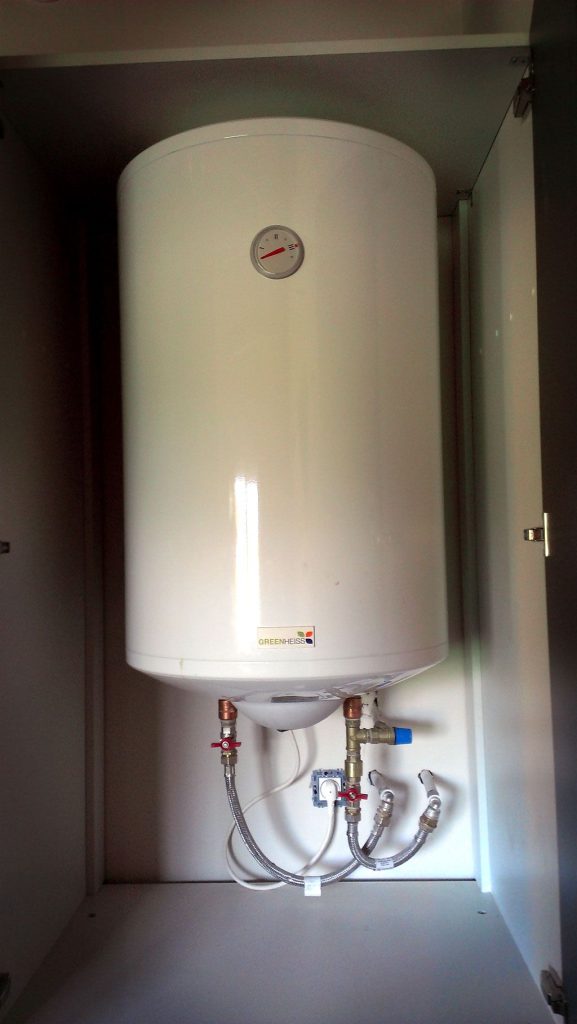
OUR RECENT GEYSER REPAIRS