• 15+ Years Air Conditioning Experience
• Certified AC Technicians
• Leak Detection Before Regassing
• Proper Vacuum & Pressure Testing
• Split, Inverter & Commercial Systems
• Same-Day Aircon Repairs Centurion
• Transparent Upfront Quotations
Need aircon regassing in Centurion because your air conditioner is no longer cooling, blowing warm air, icing up, leaking water, or taking too long to cool the room? Low refrigerant can affect aircon performance, but regassing is not always the first or only solution. A proper fault check should be done first to confirm whether the aircon has a refrigerant issue, leak, pressure fault, airflow problem, dirty coil, fan issue, or electrical fault.
Centurion Appliance Repairs helps arrange practical aircon regassing and air conditioner fault checks in Centurion for homes, offices, rental properties, shops, restaurants, guesthouses, salons, server rooms, and small business spaces. Our focus is on identifying why the unit is not cooling properly, explaining the repair option clearly, and helping you avoid unnecessary regassing where it will not solve the real problem.
Call 079 976 2941 to request aircon regassing in Centurion or use the booking form to send your air conditioner details.
Aircon regassing is the process of restoring the correct refrigerant level in an air conditioning system after the fault has been checked. An aircon does not normally “use up” refrigerant during normal operation. If the gas level is low, there is usually a reason, such as a leak, loose joint, damaged pipe, poor previous repair, or pressure-related problem.
We assist with aircon regassing requests for:
Split-unit air conditioners
Wall-mounted aircons
Office air conditioners
Home air conditioners
Small business aircons
Guesthouse and lodge aircons
Shop and salon aircons
Selected commercial air conditioning units
Aircons in rental properties and managed buildings
If your aircon is not cooling, it may need regassing, but the system should be checked first to confirm the cause.
| What You Notice | Possible Cause |
|---|---|
| Aircon blowing warm air | Low refrigerant, dirty filters, compressor fault, fan problem, sensor issue |
| Aircon cooling weakly | Low gas, blocked filters, dirty coils, poor airflow, thermostat fault |
| Ice forming on pipes or coils | Low refrigerant, restricted airflow, dirty filters, fan fault, coil problem |
| Water leaking indoors | Blocked drain, iced coil thawing, poor installation, dirty filters |
| Outdoor unit running but no cooling | Refrigerant issue, compressor fault, fan fault, electrical fault |
| Aircon takes too long to cool | Low refrigerant, dirty coils, undersized unit, poor insulation, airflow issue |
| Unit switches off unexpectedly | Overheating, pressure fault, sensor issue, electrical fault |
| Aircon was regassed before and failed again | Possible leak, poor repair, damaged pipe, unresolved pressure issue |
| Aircon makes unusual noise | Fan fault, compressor strain, loose parts, refrigerant pressure issue |
| Aircon trips electricity | Compressor fault, wiring issue, moisture, fan motor fault, internal short |
This guide helps describe the fault, but proper inspection is needed before regassing is done.
No. Aircon regassing should only be done when a refrigerant-related problem has been confirmed. Many air conditioners stop cooling for reasons that have nothing to do with gas.
An aircon may stop cooling because of:
Dirty filters
Dirty indoor or outdoor coils
Blocked airflow
Faulty fan motor
Faulty capacitor
Compressor problem
Electrical fault
Thermostat or sensor issue
Blocked drain
Incorrect mode setting
Poor installation
Undersized aircon for the room
Refrigerant leak
Damaged copper pipe
Poor ventilation around the outdoor unit
Adding gas without checking the fault can waste money. If the system has a leak, the aircon may cool for a short time and then lose refrigerant again.
There are signs that may point to low refrigerant, but they should still be confirmed through a proper fault check.
Possible signs include:
Aircon blowing warm or room-temperature air
Weak cooling even on the lowest temperature setting
Ice forming on refrigerant pipes
Ice forming on the indoor coil
Outdoor unit running but room not cooling
Aircon takes much longer than usual to cool
Compressor running for long periods
Hissing sound near pipework
Oil marks near pipe joints
Aircon was regassed before and stopped cooling again
Cooling performance drops during hot days
Unit switches off because of pressure or safety protection
These symptoms may also be caused by airflow, fan, coil, compressor, or electrical faults, so diagnosis matters.
An aircon blowing warm air is one of the most common reasons customers request aircon regassing in Centurion. In some cases, the system may be low on refrigerant. In other cases, the issue may be caused by poor airflow, dirty coils, a faulty outdoor unit, or electrical components.
Possible causes include:
Low refrigerant
Refrigerant leak
Dirty air filters
Dirty evaporator coil
Dirty condenser coil
Outdoor fan not working
Compressor fault
Faulty capacitor
Thermostat or sensor problem
Incorrect aircon mode
Blocked airflow
Electrical supply problem
If the aircon is blowing warm air, check that it is set to cooling mode. If the setting is correct and cooling does not improve, arrange a fault check.
Weak cooling can make the aircon run longer while using more electricity. The unit may still produce some cool air but fail to bring the room to the set temperature.
Possible causes include:
Low refrigerant
Dirty filters
Blocked indoor airflow
Dirty outdoor condenser
Fan motor weakness
Thermostat reading incorrectly
Door or window heat gain
Room too large for the unit
Poor insulation
Refrigerant pressure problem
Compressor strain
Aircon overdue for servicing
Weak cooling should be checked early because the system may be working harder than normal.
Ice on aircon pipes or indoor coils is a warning sign. Many people assume it means the unit is too cold, but it often means the system is not operating correctly.
Possible causes include:
Low refrigerant
Restricted airflow
Dirty filters
Dirty evaporator coil
Indoor fan problem
Blocked return air
Thermostat or sensor problem
Refrigerant pressure issue
System running too long without proper airflow
If your aircon is iced up, switch it off and allow it to thaw before further use. Do not keep running the unit while it is frozen.
Water leaking from an indoor aircon unit does not always mean the unit needs regassing. Leaks are often linked to drainage, dirt, ice build-up, or installation issues.
Possible causes include:
Blocked drain pipe
Dirty filters causing ice build-up
Frozen coil melting
Poor indoor unit installation angle
Cracked drain tray
Loose drain pipe
Dirty evaporator coil
Low refrigerant causing coil freezing
Poor maintenance
If water is dripping near plugs, walls, furniture, or ceilings, switch off the aircon where safe and arrange a repair check.
If an air conditioner has lost refrigerant, the leak or pressure problem should be considered before gas is added. Regassing without addressing the leak may only provide temporary cooling.
Leak-related warning signs include:
Aircon was regassed before but stopped cooling again
Cooling improved briefly then failed
Oil marks near pipe joints or outdoor unit fittings
Hissing sound near pipework
Ice forming repeatedly
Refrigerant pressure keeps dropping
Copper pipe damage
Poor cooling after installation or relocation
Some leaks are repairable, while others may be difficult or costly depending on where they are located and the condition of the system.
Home aircons are used in bedrooms, lounges, home offices, flats, townhouses, and family houses. When cooling performance drops, the fault can affect comfort, sleep, productivity, and indoor air quality.
We assist with home aircon regassing and fault checks for:
Bedroom air conditioners
Lounge aircons
Home office aircons
Flat and townhouse aircons
Guest room aircons
Rental property aircons
Wall-mounted split units
Selected small cooling systems
If your home aircon is blowing warm air or icing up, request a proper inspection before assuming it only needs gas.
Business aircons often run for long hours and may cool rooms with people, equipment, fridges, electronics, or customer traffic. Weak cooling can affect staff comfort, customer experience, equipment performance, and business operations.
We assist with aircon regassing and cooling checks for:
Offices
Shops
Salons
Guesthouses
Restaurants and cafés
Reception areas
Boardrooms
Clinics and consulting rooms
Server rooms where suitable
Small commercial spaces
Rental and managed properties
For business aircon faults, mention whether the room is occupied, whether equipment is affected, and how long the unit has been cooling poorly.
Many cooling complaints are caused by poor maintenance rather than low refrigerant. Dirty filters and coils can reduce airflow and make the aircon feel weak even when gas levels are not the issue.
Your aircon may need servicing if:
Filters are dirty
Airflow is weak
The indoor unit smells bad
The outdoor unit is dusty
The unit has not been serviced in a long time
Cooling is weak but pipes are not showing leak signs
The unit leaks water from a blocked drain
The fan sounds strained
The aircon works better after cleaning filters
Servicing and fault checking should come before regassing when the cause is not clear.
For broader repair support, visit our air conditioner repairs and installation in Centurion page.
Different air conditioners may use different refrigerants. Using the wrong gas, adding too much gas, or filling a leaking system without proper checks can damage the unit and reduce cooling performance.
Correct refrigerant handling matters because:
Aircons are designed for specific refrigerant types
Incorrect gas can damage the system
Too much refrigerant can harm performance
Too little refrigerant will not solve the problem
Leak issues must be considered
Pressure readings affect compressor operation
Refrigerant work needs proper tools and knowledge
This is why aircon regassing should be handled carefully and not treated as a quick guess.
A proper assessment helps determine whether regassing is required and whether the system is worth repairing.
You provide the aircon type, brand if known, room type, symptoms, and your Centurion suburb. Useful details include whether the unit cools at all, whether it leaks water, whether pipes are freezing, and whether it has been regassed before.
The aircon is checked to understand whether the issue may be refrigerant-related or caused by airflow, filters, coils, fans, sensors, compressor performance, or electrical components.
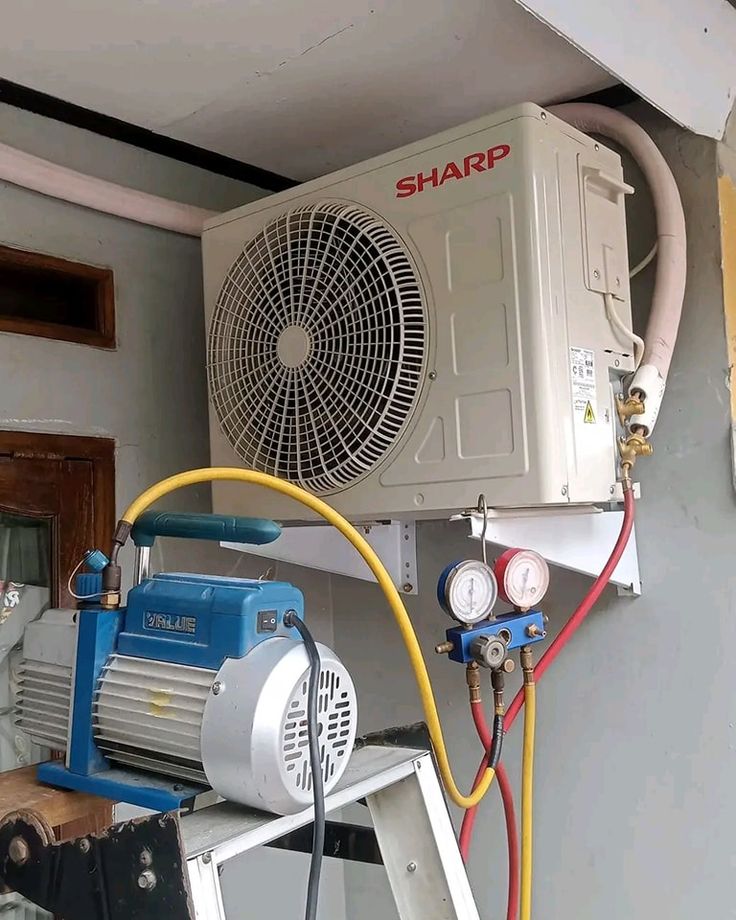
If low refrigerant is suspected, the system may need to be checked for signs of leakage, pressure loss, damaged piping, or poor connections.
If regassing is practical and approved, the correct refrigerant process is carried out according to the system requirements. The system should not be overfilled or filled with the wrong refrigerant.
After regassing or repair, the aircon should be tested for cooling performance, airflow, noise, leaks, and general operation. The room may take time to cool depending on size, insulation, and temperature.
The cost of aircon regassing in Centurion depends on the aircon type, refrigerant type, gas quantity, leak status, access to the unit, labour time, and whether additional repairs are needed.
Pricing may be affected by:
Aircon size and capacity
Domestic or commercial use
Refrigerant type
Whether a leak is present
Whether leak repair is practical
Access to indoor and outdoor units
Whether the system is split, wall-mounted, or commercial
Compressor condition
Pipework condition
Whether previous regassing failed
Whether the aircon also needs servicing
Labour time needed for testing
A simple regassing job may cost less than leak repair, pipework correction, compressor faults, or regassing a larger commercial system. Accurate pricing requires inspection.
Regassing may be worthwhile when the aircon is in good condition, the leak is repairable, the compressor is working, and the cost is reasonable compared to replacement. Replacement may be better when the aircon is old, badly damaged, repeatedly losing gas, undersized, inefficient, or expensive to repair.
Regassing may make sense when:
The aircon has been reliable before the fault
The compressor is working
The leak is minor and repairable
The system has not had repeated regassing failures
The unit is still suitable for the room
The repair cost is reasonable
Replacement may be better when:
The aircon has been regassed before and failed again
The leak is not practical to repair
The compressor is weak or damaged
The system is old and inefficient
The unit is too small for the room
Parts are difficult to source
Repair costs are close to replacement
A proper inspection helps you avoid spending money on gas when the aircon is unlikely to hold refrigerant or cool properly.
After regassing or repair, basic care can help reduce strain on the system.
Helpful tips include:
Clean filters regularly
Keep the outdoor unit clear of leaves and dust
Do not block indoor airflow
Keep doors and windows closed while cooling
Use the correct cooling mode
Set a realistic temperature
Arrange servicing before heavy summer use
Watch for ice forming again
Report weak cooling early
Do not ignore water leaks
Avoid running the unit continuously if it is not cooling
Call early if cooling drops soon after regassing
If the aircon loses cooling again after regassing, report it quickly because there may be an unresolved leak.
We provide aircon regassing support across Centurion and nearby areas, including Centurion Central, Lyttelton, Die Hoewes, Doringkloof, Clubview, Zwartkop, Hennopspark, Wierda Park, Eldoraigne, Rooihuiskraal, The Reeds, Amberfield, Heuweloord, Raslouw, Valhalla, Pierre van Ryneveld, Highveld, Eco Park, Irene, Southdowns, Midstream Estate, Heritage Hill, Monavoni, Celtisdal, Mnandi, Sunderland Ridge, Samrand, Louwlardia, Thatchfield, Blue Valley Golf Estate, and surrounding neighbourhoods.
If your suburb is not listed, call 079 976 2941 to confirm service availability.
Aircon regassing should not be handled as guesswork. If the unit is not cooling, the cause may be refrigerant-related, but it may also be a fan, coil, drain, sensor, electrical, compressor, or airflow problem. Proper checking helps prevent wasted money and repeat faults.
Customers contact us for:
Aircon regassing in Centurion for homes and businesses
Cooling fault checks before regassing is done
Help with split units, wall-mounted aircons, and selected commercial units
Practical leak-related guidance
Repair-versus-replacement advice
Clear communication before major repair work is done
Booking by phone or online form
If your aircon is blowing warm air, cooling weakly, icing up, or you suspect it needs regassing, call 079 976 2941 to request aircon regassing in Centurion. You can also use the booking form to send your aircon details.
When booking, please provide:
Your Centurion suburb
Aircon type
Brand and size if known
Whether it is used at home or in a business
Main fault symptoms
Whether the aircon cools at all
Whether pipes or coils are icing up
Whether water is leaking indoors
Whether it has been regassed before
How long the cooling problem has been happening
Any error codes or unusual noises
The more information you provide, the easier it is to understand the fault and guide you on the next step.
Yes. We assist with aircon regassing and cooling fault checks in Centurion for homes, offices, rental properties, shops, guesthouses, salons, and selected small business spaces.
Possible signs include warm air, weak cooling, ice on pipes or coils, long cooling times, compressor running for long periods, or cooling that failed again after previous regassing. These symptoms still need proper checking because other faults can cause the same problems.
No. An aircon may fail to cool because of dirty filters, blocked airflow, dirty coils, fan faults, compressor problems, sensor faults, electrical faults, or incorrect settings. Regassing should only be done when a refrigerant-related issue is confirmed.
An aircon may lose refrigerant because of leaks in pipe joints, damaged copper pipes, poor previous repairs, loose connections, corrosion, vibration damage, or installation-related issues. Refrigerant should not normally disappear from a sealed system.
Yes. We assist with regassing for split-unit and wall-mounted aircons where a refrigerant-related fault is confirmed and the system is suitable for regassing.
Ice may form because of low refrigerant, restricted airflow, dirty filters, dirty coils, fan problems, or pressure issues. Switch off the unit and allow it to thaw before arranging a fault check.
Cooling improvement may be noticeable after the system is repaired or regassed, but the room cooling time depends on room size, insulation, outdoor temperature, unit capacity, and airflow. Larger rooms may take longer to stabilise.
That usually suggests an unresolved leak or another underlying fault. The system should be checked before adding more gas, otherwise the same problem may return.
It depends on the aircon age, condition, compressor health, leak location, refrigerant type, and repair cost. If the unit is old, inefficient, repeatedly leaking, or expensive to repair, replacement may be more practical.
Call 079 976 2941 or use the booking form on the website. Share your suburb, aircon type, brand if known, cooling symptoms, whether it has been regassed before, and whether the unit is used at home or in a business.

Centurion Appliance Repairs is your trusted local expert for fast and reliable appliance repairs in Centurion. With over 12 years of experience and 35 mobile technicians across areas like Die Hoewes, Highveld, Eldoraigne, and Midstream Estate, we provide same-day service for both residential and commercial clients. From fridge repairs and washing machine repairs to commercial refrigeration and cold room services, we deliver professional solutions using genuine parts for long-lasting results.